From Ideal X to Houston, 70 Years Later
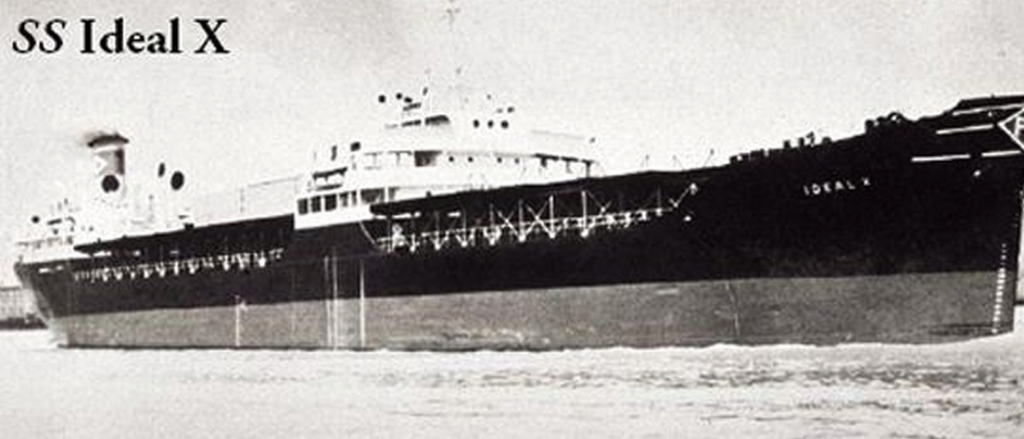
On April 26, 1956, a converted tanker named the SS Ideal X, developed under the vision of trucking entrepreneur Malcolm McLean, left Port Newark, New Jersey, carrying 58 metal containers. The vessel had been retrofitted from a World War II-era oil tanker, modified to carry containerized cargo on its deck.
The containers on board were 35 feet long, consistent with standard truck trailer sizes at the time, and were loaded onto the ship in less than eight hours. At a time when breakbulk cargo could take several days to load, that speed marked a major shift, as ships often remained in port for extended periods while goods were handled one by one, driving up costs and increasing the risk of delays and damage.
Five days later, the ship arrived in Houston, marking the beginning of containerized shipping and setting the foundation for how cargo moves today.
The SS Ideal X carried the equivalent of just over 100 twenty-foot equivalent units, or TEUs. Today, Port Houston moves that volume in less than five minutes, with hundreds of thousands of containers handled each month.
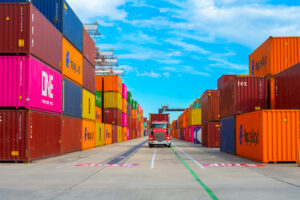
By placing cargo into standardized containers, goods could move seamlessly between ships, trucks, and trains, creating an interconnected and streamlined system. What once took days could now be done in hours, lowering costs and improving reliability across the supply chain.
Seventy years later, that same system remains at the core of modern cargo movement.
At Port Houston, containerized cargo is a key part of our daily operations, moving a wide range of goods, including retail products, resins, and other industrial materials. In 2025, Port Houston handled a record-breaking 4.3 million TEUs, with volumes continuing at a strong pace into 2026, including surpassing 1 million TEUs in the first quarter, the fastest pace in the port’s history. Today, Port Houston handles approximately 74% of containerized cargo moving through the Gulf Coast.
That growth didn’t happen overnight. The development of Barbours Cut in 1977 was driven by the need to modernize operations and reduce vessel transit times as containerized cargo began to grow. As demand continued to accelerate, Bayport Container Terminal was developed in 2007 to expand capacity and support that growth. Today, these two container terminals are among the most efficient in the nation, ranking fifth in the country. Port Houston is also the fastest-growing major container port in the nation over the past ten years.
Continued investment fuels the Houston Port Region
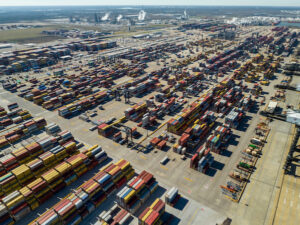
Late last year, we completed additional wharf space at Bayport, allowing the facility to handle up to five vessels simultaneously, improving vessel flow, and reducing wait times. Similar improvements at Barbours Cut, along with the arrival of new ship-to-shore and rubber-tired gantry cranes, are further enhancing capacity and efficiency.
Looking ahead, Port Houston is investing $2.1 billion in landside capital projects over the next five years, strengthening the supply chain and driving economic prosperity across the region. Work is also underway to advance site selection for a potential third container terminal, helping ensure the region has the capacity needed to support future cargo volumes.
At the same time, continued progress on the Houston Ship Channel Expansion, known as Project 11, is improving safety and efficiency along the water, allowing for more reliable vessel movement and supporting the long-term growth of the entire port region.
As the industry continues to evolve, McLean’s original concept remains just as relevant. From the first voyage of the SS Ideal X to today’s global network, containerization has transformed how the world moves goods and continues to define how cargo moves today.